

Electric Vehicle FAQ
Are you thinking of buying an EV in Rapid City, South Dakota? At McKie Ford Lincoln, we have electric vehicles that fit your needs, but we also know you have many questions. Our electric vehicle FAQ helps you understand the ins and outs of EVs. Find the answers to your top questions here.
Video Tour the New Ford F-150 Lightning
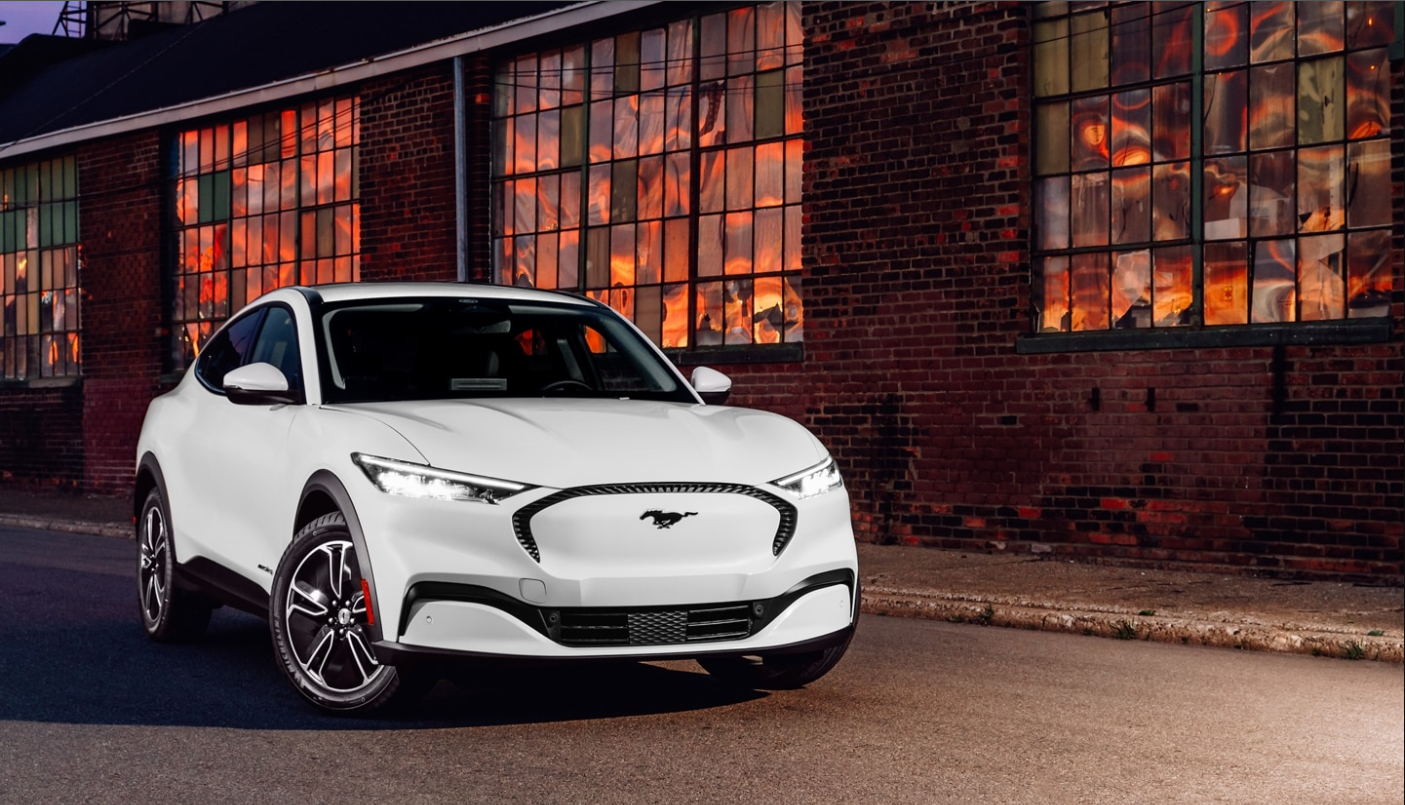
Popular studies show it costs less to maintain an electric vehicle. On average, it might cost six cents per mile to maintain an EV, compared to about ten cents per mile with the combustion engine vehicle.
Electric vehicles tend to cost more upfront than internal combustion engine models. However, you won’t be spending much on fuel, which can save you money. If you keep the electric vehicle long-term, you might spend less overall than with the gas-powered car.
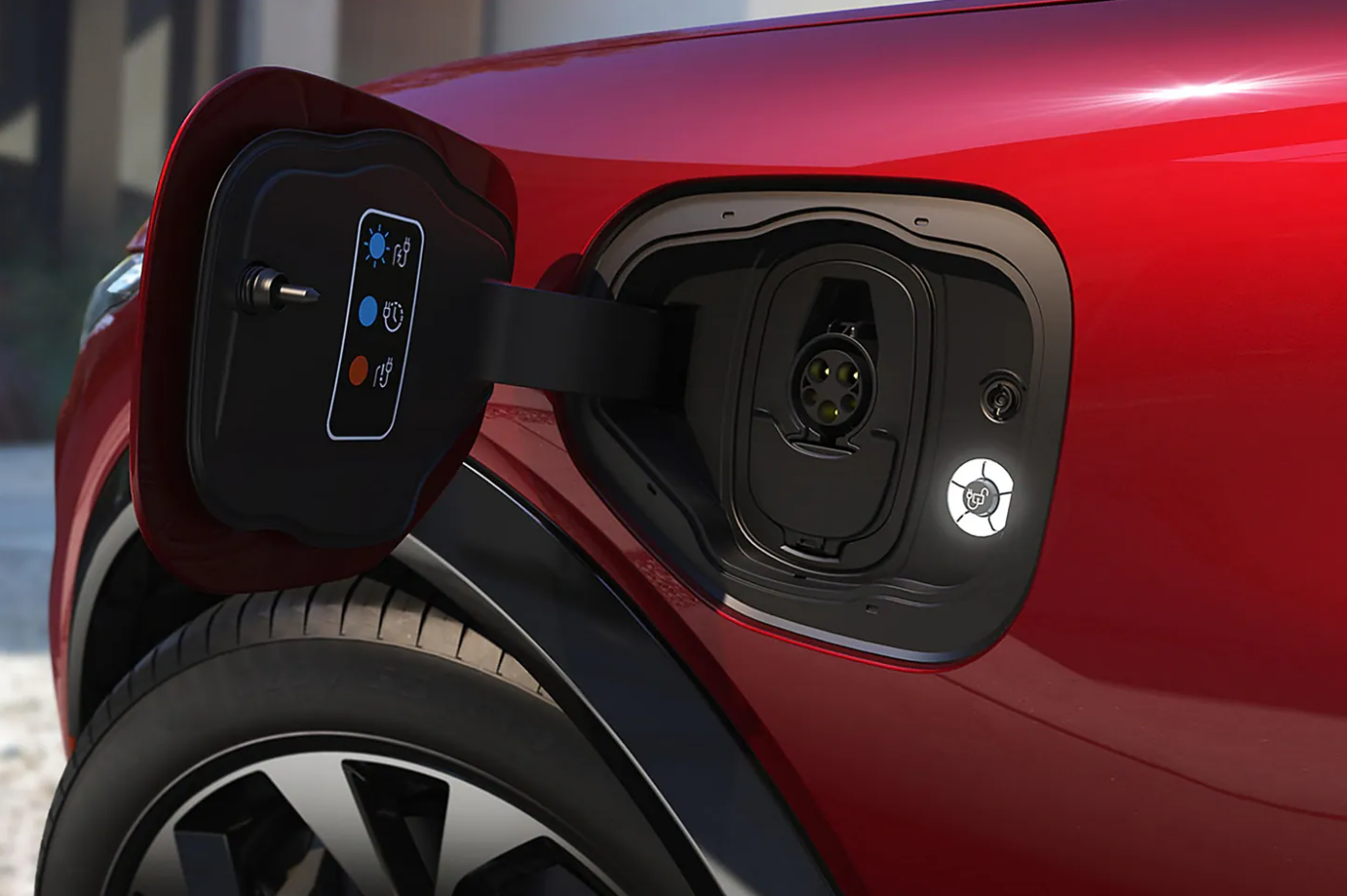
EVs utilize an electric motor instead of an internal combustion engine. With the battery pack installed, power is supplied to the electric motor. However, this battery pack must be recharged through a special charger to regain capacity.
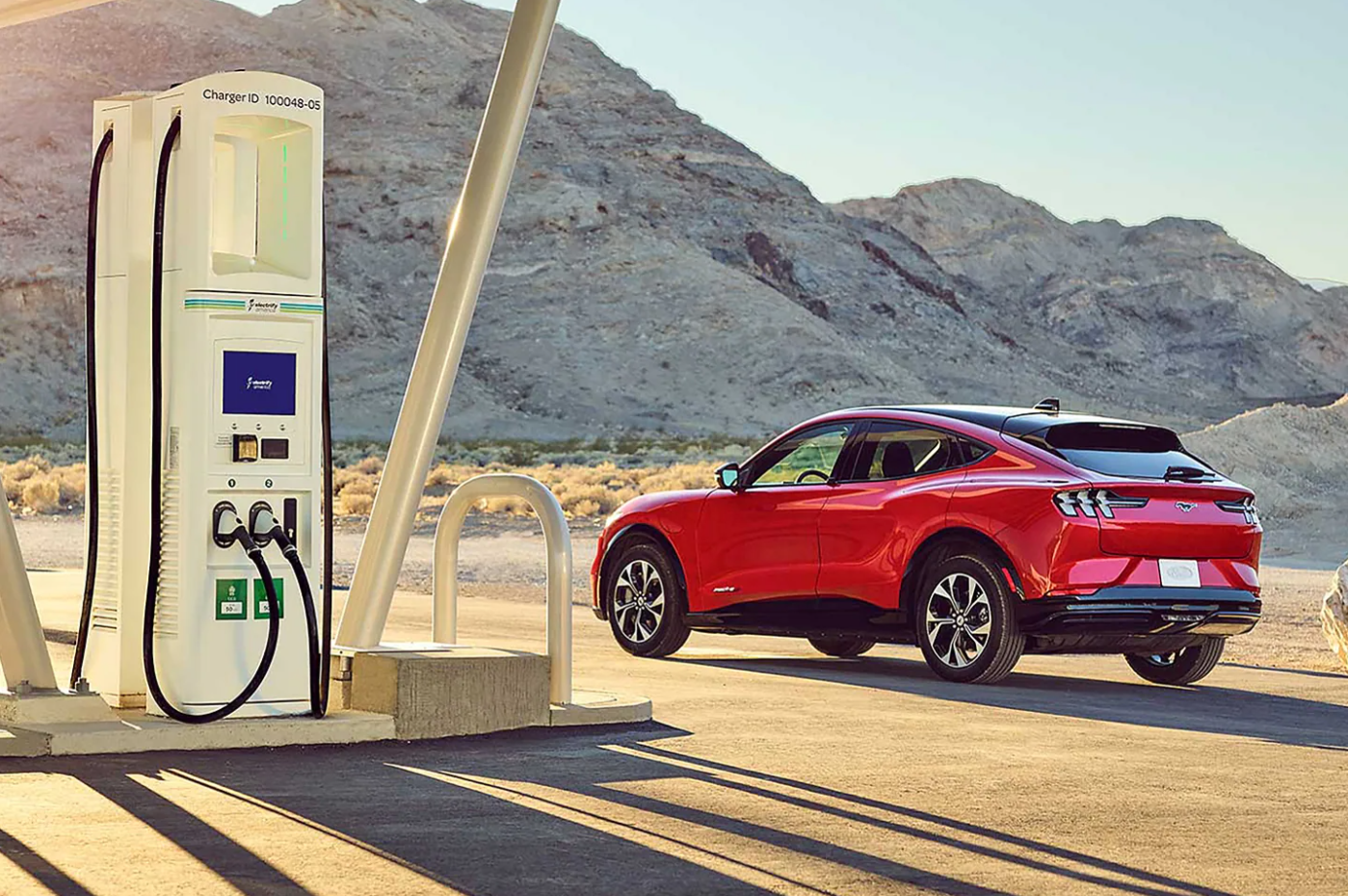
The government provides a map of all electric vehicle charging stations. You can search for locations in your area or along your route.
Electric cars produce no emissions, so they are much better for the environment. However, there are some downsides in the manufacturing of electric cars because these processes are not emissions-free.
Video Tour the New Ford F-150 Lightning
How long do electric vehicle (EV) batteries last?
It’s a common misconception that EV batteries die prematurely, but that’s not the case. When properly cared for, electric vehicles can last ten to twenty years before replacement is necessary. Most new cars come with a battery warranty that lasts at least eight years or 100,000 miles.How much does an EV battery cost to replace?
The most costly part of the EV is the battery. When this part needs to be replaced, it can be pricey. On average, a new EV battery can cost between $4,000 and $8,000.What kind of maintenance does an EV need?
Electric vehicles do not use oil, so there’s a lot less maintenance that needs to be done. However, the tires, brakes and other fluids still need to be checked regularly.What is the maintenance schedule for an EV?
Check the owner’s manual to get an accurate maintenance schedule for your electric vehicle. As an idea, it might look like this:- Monthly: Check tire pressure
- Every 7,500 Miles: Tires rotated, check battery coolant levels, inspect brakes and evaluate all major systems.
- Every 15,000 Miles: Replace windshield wipers
- Every 36,000 Miles: Replace cabin filter
- Every 75,000 Miles: Replace hood gas struts
- Every Five Years: Drain/refill vehicle coolant circuits
- Every Seven Years: Change air conditioning desiccant
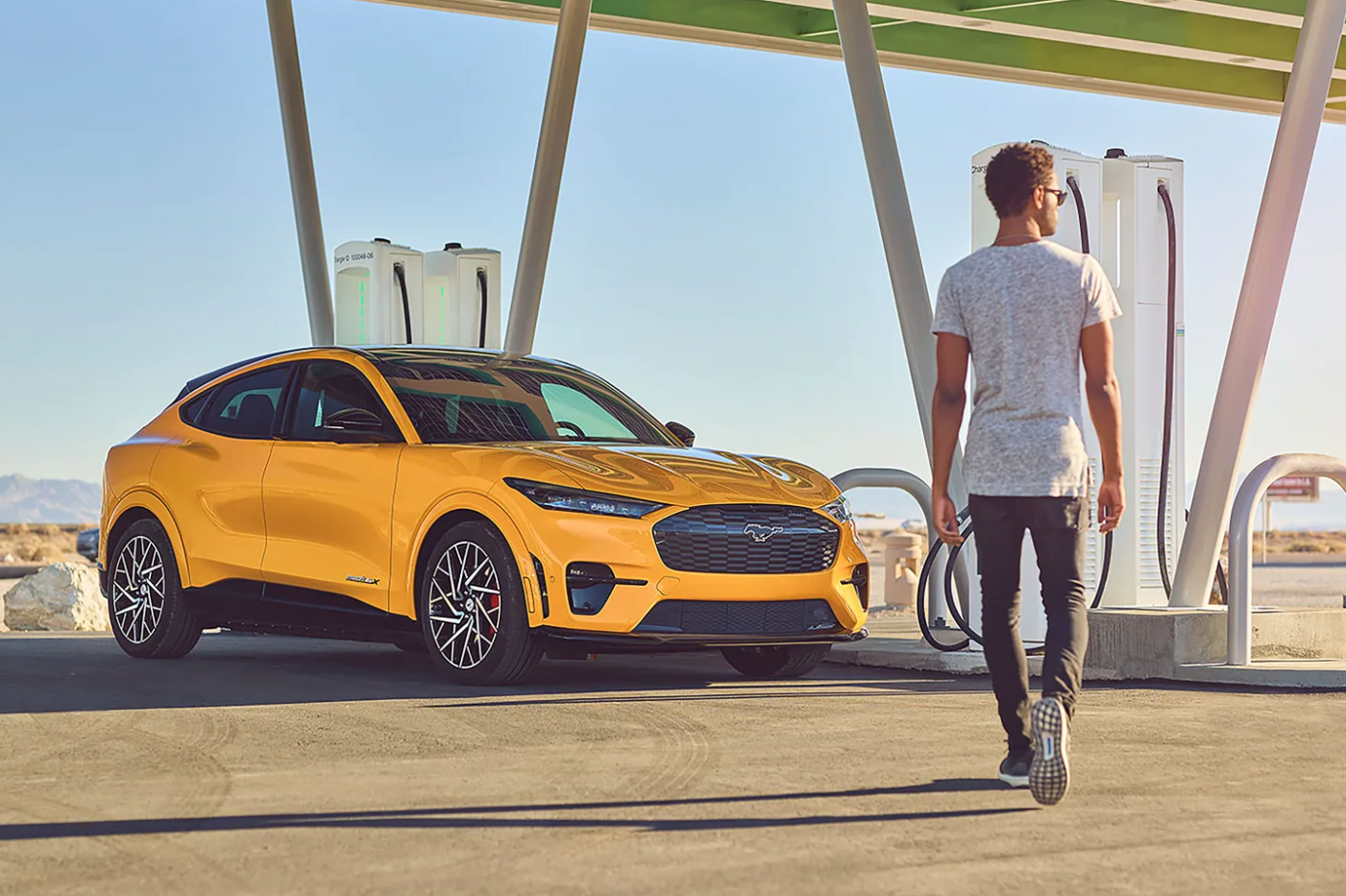 What is the difference in repair costs of an EV compared to a gas vehicle?
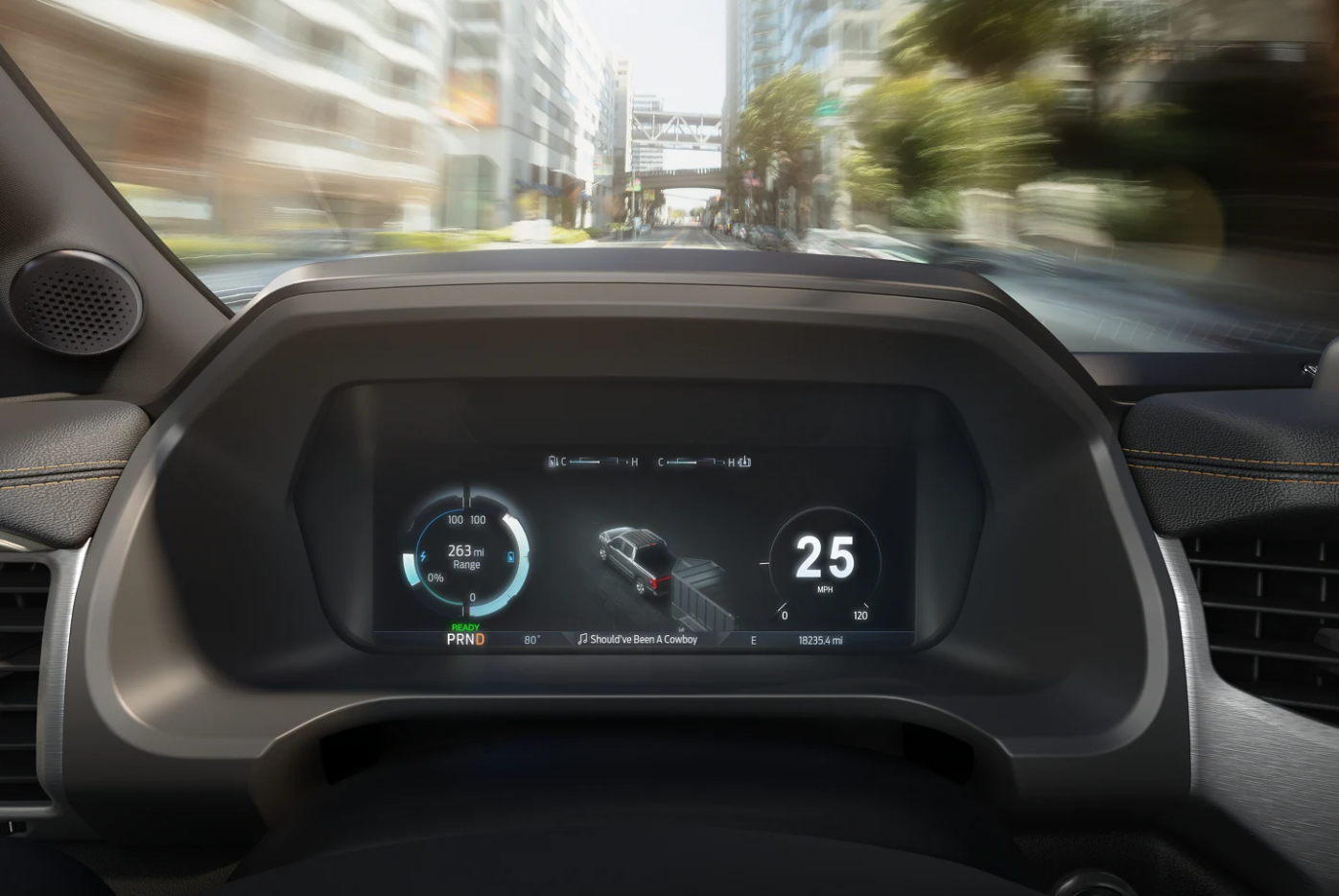 Is owning an EV cheaper than a gas-powered vehicle?
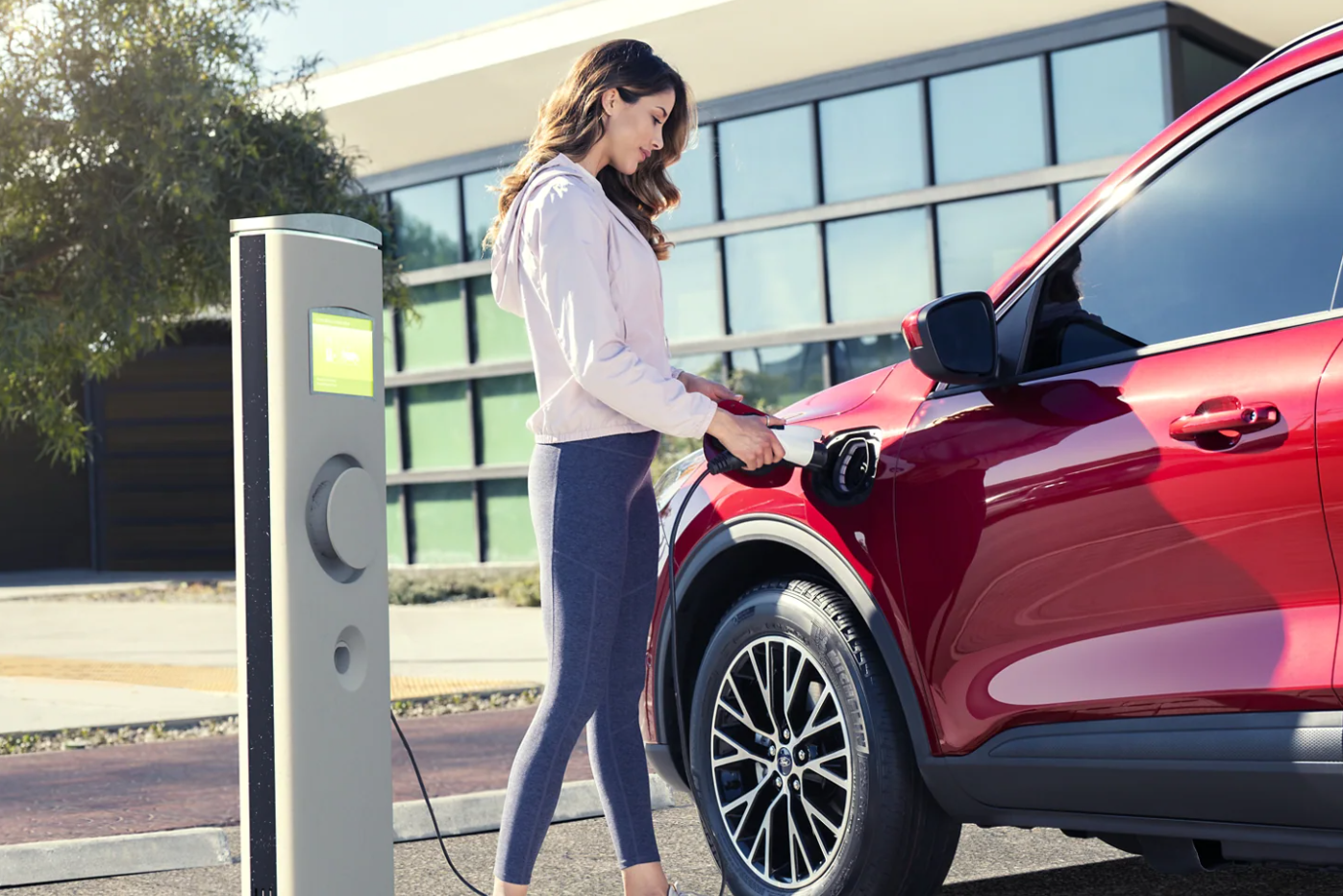 How does an EV work?
 Where can I charge my EV?
 Are EVs really better for the environment?