

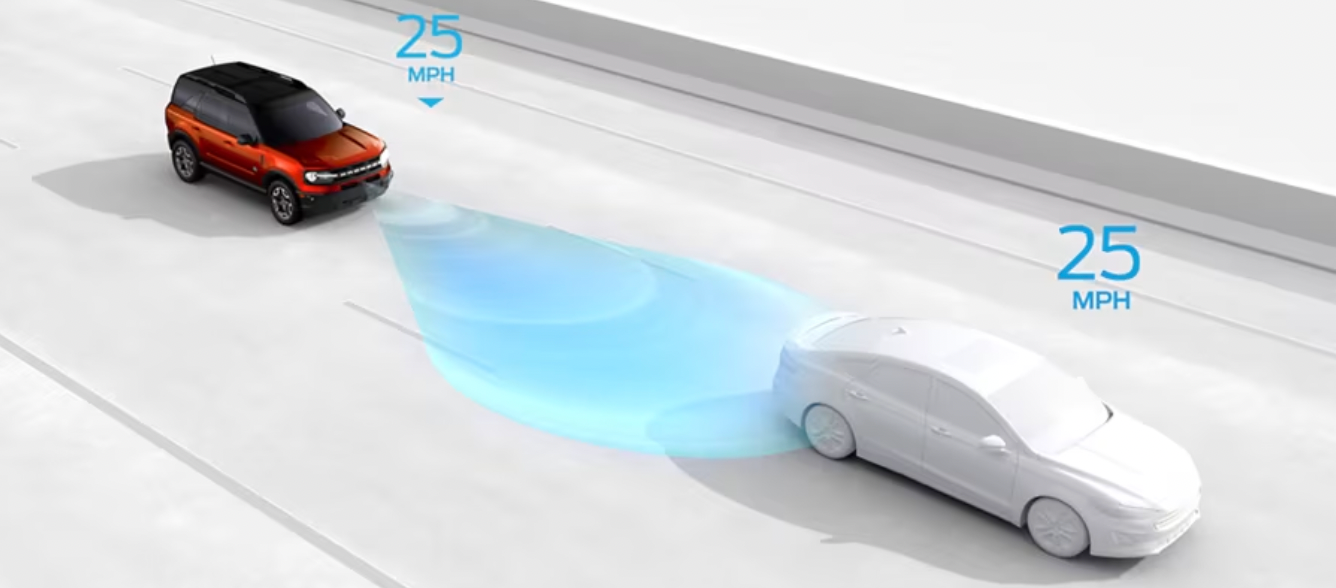
Whether you're navigating the streets of Rapid City or hitting the highways across South Dakota, Ford's safety features are designed to give you peace of mind. But what exactly makes Ford vehicles so safe? Let's break down active and passive safety features and how they help life in the unique driving conditions in the Black Hills region.
Understanding Active vs. Passive Safety Features
When we talk about vehicle safety features, it's important to understand the two main categories: active and passive safety features. Both play a crucial role in keeping you and your passengers safe, but they do so in different ways.
Active safety features are systems that work to prevent accidents from happening in the first place. They are constantly "active," monitoring road conditions and responding to potential dangers before they escalate into a collision. Think of active features as your car's defensive driving system.
On the other hand, passive safety features are there to protect you if a crash does happen. These are the systems that reduce the impact of a collision on the occupants. They "passively" stay in place until needed, like a guardian who only steps in when something goes wrong.
Passive Safety Features: Your Last Line of Defense
Ford has built a solid foundation of passive safety features that protect the driver and passengers if an accident occurs. Here are the key passive safety systems found in most Ford models:
Airbags – This is one of the most familiar safety features in any vehicle. Ford vehicles are equipped with advanced airbag systems, including front airbags, side-impact airbags, and curtain airbags, designed to protect passengers from different impact angles.
Crumple Zones – Ford designs vehicles with crumple zones, areas of the vehicle that are engineered to absorb the energy of an impact. These zones help reduce the force transferred to the occupants in the event of a collision.
Seat Belts with Pretensioners – Ford seat belts come equipped with pre-tensioners, which automatically tighten the seat belt to place the occupant in the optimal position in case of a crash, minimizing injury by preventing excessive movement during a collision.
Reinforced Steel Frame – Ford trucks and SUVs, like the F-150 and Explorer, have a robust frame structure made of high-strength steel, enhancing the vehicle's overall durability and significantly increasing crash protection by maintaining the integrity of the cabin during impacts.
LATCH System – Ford includes a LATCH (Lower Anchors and Tethers for Children) system, ensuring child safety seats can be properly secured in the vehicle. This system adds an extra layer of safety for young passengers.

Active Safety Features: Preventing the Crash Before It Happens
Where Ford really stands out is its suite of active safety features that help drivers avoid accidents in the first place. These technologies use sensors, cameras, and radar systems to monitor the road and assist drivers in making safer decisions.
Pre-Collision Assist with Automatic Emergency Braking – This system uses radar to detect potential collisions with vehicles or pedestrians. If a crash seems imminent, the system can alert the driver and, if necessary, automatically apply the brakes to mitigate or even prevent the collision.
Blind Spot Information System (BLIS) – South Dakota's highways can be wide and open, but you still need to keep an eye out for other vehicles, especially during lane changes. BLIS alerts drivers when a vehicle enters your blind spot, helping avoid collisions during lane changes.
Lane-Keeping System – Long drives through South Dakota's rural areas can make it easy to drift out of your lane. Ford's Lane-Keeping System warns you when you're unintentionally drifting and can gently steer the vehicle back into the lane if needed.
Adaptive Cruise Control – For those long stretches on I-90, Adaptive Cruise Control is a lifesaver. It maintains a safe distance between your vehicle and the one ahead, automatically adjusting speed as necessary. It's perfect for South Dakota's varying traffic conditions.
Rearview Camera with Reverse Sensing System – Parking can be tricky in tight spaces or snowy conditions, which we see plenty of in Rapid City. Ford's rearview camera, combined with a reverse sensing system, helps you back up safely by alerting you to obstacles that may not be visible.
Hill Start Assist – Living in the Black Hills means driving on plenty of slopes. Hill Start Assist helps prevent rollbacks when starting on an incline, a feature particularly handy when navigating steep roads.
Traction Control and Electronic Stability Control – In South Dakota, snow and ice can challenge winter driving. These systems work together to maintain vehicle stability by adjusting braking and engine power to keep the wheels from slipping, providing you with more control in slick conditions.
Ford's Commitment to Safety
Ford doesn't just add a few safety features and call it a day. The company is deeply committed to making safety an integral part of its vehicles. That's why Ford includes the Ford Co-Pilot360 suite of driver-assist technologies in many of its models. This collection of both active and passive features ensures you're equipped with the tools needed to prevent accidents and protect yourself and your loved ones if one does happen. In addition, Ford continues to invest in research and development to improve safety across all of its vehicles. They test their models in various crash scenarios and driving conditions to ensure that the safety systems respond correctly in real-world situations.

Why These Safety Features Matter in South Dakota
Living in South Dakota means you're no stranger to unpredictable weather and wide-open roads. Ford vehicles' active and passive safety features are designed to handle these unique driving conditions.
Winter Driving – Ford's traction control and electronic stability control systems are essential for driving in snowy and icy conditions, which we face regularly here in the winter months. Whether you're heading up to Mount Rushmore or commuting through Rapid City after a snowstorm, these features help keep you in control.
Rural Roads – On long stretches of rural highways, Adaptive Cruise Control helps you maintain a safe following distance, while Lane-Keeping Assist ensures you stay in your lane during those longer drives.
Wildlife Hazards – In South Dakota, it's not uncommon to encounter deer or other wildlife crossing the road. Ford's Pre-Collision Assist with Automatic Emergency Braking helps prevent collisions with animals by providing a warning and even applying the brakes if necessary.
Hill Driving – If you're driving around the Black Hills, features like Hill Start Assist and the Blind Spot Information System become invaluable, helping you manage steep inclines and safely navigate winding roads.
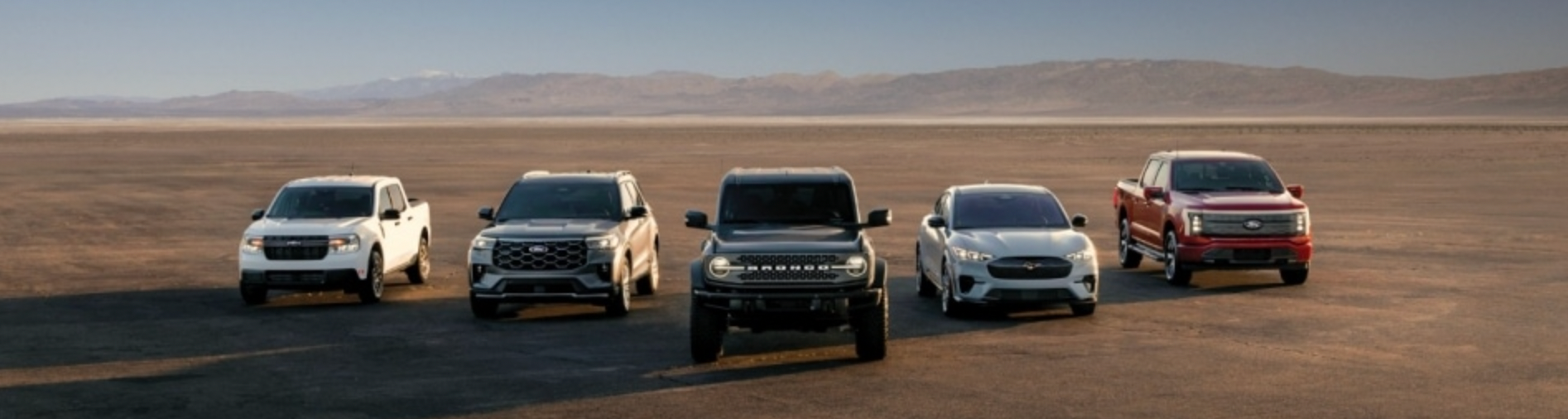
Buy a New Ford
Here at McKie Ford, we've seen firsthand how Ford's focus on safety benefits drivers in South Dakota. Whether you're driving an F-150, Explorer, or Escape, you can feel confident knowing that your vehicle is equipped with advanced safety features designed to prevent accidents and protect you if one occurs. With Ford, you're not just buying a vehicle—you're investing in the safety of yourself, your family, and your community. Check out our full inventory of new Ford cars, trucks, and SUVs below!
